Source Threadless External Bicycle Headset for MTB, Road, and Kids Bikes
Compare 11 listings for threadless external bicycle headset components sourced from China. Options include aluminum and steel materials with customization available for ordinary, mountain, and road bikes. Verify specs like weight and packing before requesting quotes; compare the available evidence and request quotations based on your requirements.
Key considerations
Products List


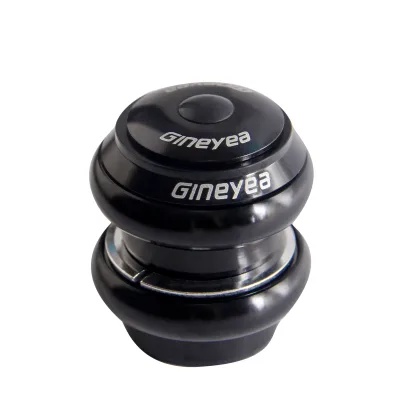
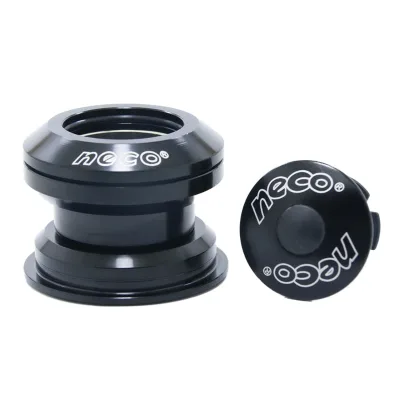

Comprehensive Sourcing Guide
Threadless External Bicycle Headset Sourcing Guide
Procuring a threadless external bicycle headset requires careful attention to the specific interface standards that define compatibility with modern fork steerer tubes. Buyers must verify that the selected unit matches the 1-1/8 inch standard, which is the most prevalent specification for ordinary, mountain, and road bikes. The external design typically offers a robust solution for riders seeking durability and ease of maintenance, though the exact bearing configuration and race dimensions must align with the frame's head tube geometry.
Sourcing decisions should also account for the diverse application requirements observed in the market, ranging from kids' bikes to high-performance mountain and road models. While many listings indicate compatibility with standard bicycle types, the physical dimensions of the headset, such as the 28.6 mm or 34-44 mm size ranges, must be confirmed against the specific fork and frame specifications. This verification prevents installation errors and ensures the final assembly provides the necessary structural integrity for safe riding conditions.
Product Scope and Observed Listing Signals
The current market for threadless external headsets displays a wide range of material compositions, with aluminum alloy and steel being the primary options observed in supplier listings. Aluminum alloy variants are often favored for their weight reduction benefits, while steel components may be selected for specific durability requirements or cost-efficiency. Buyers should scrutinize the material specification for each unit, as the choice directly influences the overall weight of the bicycle and the long-term corrosion resistance of the headset assembly.
Listing signals also reveal significant variability in packaging and customization options, which can impact logistics and branding strategies. Some suppliers offer standard carton packaging, while others provide flexible packing solutions tailored to customer requirements, including OE/OEM formats. Additionally, the availability of customized logos and specific model numbers like LY-8124 or TJ-PARTS-1 indicates that many manufacturers are prepared to support private label initiatives, allowing buyers to differentiate their product offerings in competitive markets.
Technical Specifications to Verify
Technical verification must begin with the precise measurement of the headset's internal and external dimensions to ensure a perfect fit for the bicycle frame. Specifications such as the 28.63430 mm size or the 34-44 mm range are critical indicators of compatibility, and buyers must cross-reference these numbers with their target frame's head tube diameter. Failure to match these exact measurements can lead to improper seating of the bearings, resulting in steering instability or premature wear of the headset components.
Beyond physical dimensions, the functional attributes of the headset, such as waterproofing capabilities and weight specifications, are essential for performance evaluation. Listings indicate that some units feature waterproof functions to protect internal bearings from moisture and debris, a crucial feature for mountain biking applications. Furthermore, weight data, such as the 280g or 0.300 kg figures, helps buyers assess the impact on the bicycle's total weight, allowing them to balance performance needs with cost constraints when selecting the final product.
Compliance and Safety Documentation
Compliance verification for bicycle components often involves checking for recognized quality management certifications, such as ISOCE, which suggests a baseline level of manufacturing consistency. While specific safety test results are not always explicitly detailed in general listings, the presence of such certifications indicates that the supplier adheres to established production standards. Buyers should request detailed compliance documentation to confirm that the headsets meet regional safety regulations, particularly for markets with strict liability requirements regarding bicycle component safety.
Safety documentation should also include clear information regarding the condition of the products, with most listings specifying that items are sold as new. This distinction is vital for procurement integrity, ensuring that buyers receive factory-fresh components rather than refurbished or used parts. Additionally, verifying the origin of the product, whether from Zhejiang, Guangdong, or other regions in China, can provide context regarding the manufacturing environment and the potential for consistent quality control practices across different production batches.
Cost Drivers and Commercial Terms
Cost drivers for threadless external headsets are heavily influenced by material selection, customization levels, and the complexity of the manufacturing process. Aluminum alloy models typically command a different price point compared to steel alternatives, and the inclusion of custom logos or specific packaging requirements can further adjust the final unit cost. Buyers must analyze the trade-off between premium materials and standard configurations to optimize their procurement budget while maintaining the desired product quality and performance standards.
Commercial terms, including minimum order quantities (MOQ) and supply capabilities, play a significant role in the financial planning of the procurement process. Observed MOQs range from 5 to 1000 pieces, with some suppliers setting a standard threshold of 100 pieces, which can affect the feasibility of small-batch orders. Supply ability figures, such as 10,000 pieces per month, indicate the manufacturer's capacity to handle large-scale orders, but buyers should confirm lead times and port of dispatch details, such as Shenzhen, to ensure timely delivery and alignment with their inventory management schedules.
Supplier Qualification and Quality Control
Supplier qualification should focus on the manufacturer's ability to provide samples and their track record with customized production runs. The availability of samples allows buyers to physically inspect the product for fit, finish, and material quality before committing to a larger order, serving as a critical step in the quality assurance process. Additionally, suppliers that explicitly state they accept customized logos and specific model requirements demonstrate a flexible production capability that is essential for brands looking to establish a unique market presence.
Quality control measures must be rigorously applied to ensure that every batch of headsets meets the specified standards and performance expectations. Buyers should verify that the supplier maintains consistent quality across different production runs, particularly when dealing with customized orders that may involve unique specifications. The presence of detailed product attributes, such as the semi-integrated threadless feature or specific color options like black and silver, indicates a level of manufacturing precision that should be maintained through strict internal quality checks and final inspection protocols.
Long-Term Procurement Checks
Long-term procurement success relies on establishing a reliable supply chain that can consistently meet demand without compromising on product quality or delivery timelines. Buyers should monitor the supplier's ability to maintain stock levels and manage lead times, especially when scaling up orders to meet growing market demand. Regular communication regarding production schedules and potential supply chain disruptions is essential to prevent stockouts and ensure that the bicycle components are available when needed for assembly or distribution.
Continuous evaluation of product performance and customer feedback is also necessary to maintain the integrity of the procurement strategy over time. Buyers should track the durability and reliability of the headsets in real-world applications, noting any recurring issues related to bearing wear, corrosion, or fitment problems. By maintaining a proactive approach to supplier relationship management and product quality monitoring, buyers can mitigate risks and ensure a steady supply of high-quality threadless external bicycle headsets for their customers.
FAQs
What materials are used for threadless external bicycle headsets?
Manufacturers typically use aluminum, steel, or aluminum alloy for these components. The choice depends on the desired balance between weight and durability. Aluminum alloy is common for lightweight performance builds, while steel offers robust strength. These materials ensure the headset withstands the stresses of ordinary, mountain, and road bike applications effectively.
Can I customize the logo on these bicycle headset parts?
Yes, customized logos are generally accepted for these products. Buyers can request specific branding to match their company identity. This customization service allows for unique product identification in the market. It is advisable to confirm the logo design requirements with the supplier before production to ensure accurate application on the final parts.
What is the typical MOQ for ordering these bicycle components?
The minimum order quantity usually ranges from 5 to 1000 pieces. Specific MOQs depend on the supplier and product model, such as 100 pieces for certain items. Buyers should check the specific listing for exact requirements. Lower MOQs may be available for samples, while bulk orders often require higher quantities to optimize production and shipping costs.
Which bicycle types are compatible with these headsets?
These headsets are designed for ordinary bicycles, mountain bikes, road bikes, and kids bikes. The versatile design ensures compatibility across various frame types and riding styles. Buyers should verify the specific model number, such as LY-8124 or TJ-PARTS-1, to ensure proper fit for their particular bicycle application and frame geometry requirements.
Are these products certified with ISO standards?
Yes, many of these products carry ISOCE certification. This indicates adherence to specific quality management standards. Buyers can rely on this certification for quality assurance in their sourcing process. It is important to verify the specific certification details with the supplier to ensure they meet your regulatory or quality requirements for the final assembled bicycle.
What packaging options are available for these bicycle parts?
Packaging options include cartons, OE/OEM packaging, or custom requirements. Suppliers often offer flexible packaging solutions to meet buyer needs. Standard packing might use cartons, while OEM orders may require specific branding. Buyers should specify their packaging preferences, such as single package selling units or custom dimensions, to ensure safe delivery and brand alignment.